
Orchid soil

Orchid Soil FAQ: Everything You Need to Know for Happy Plants

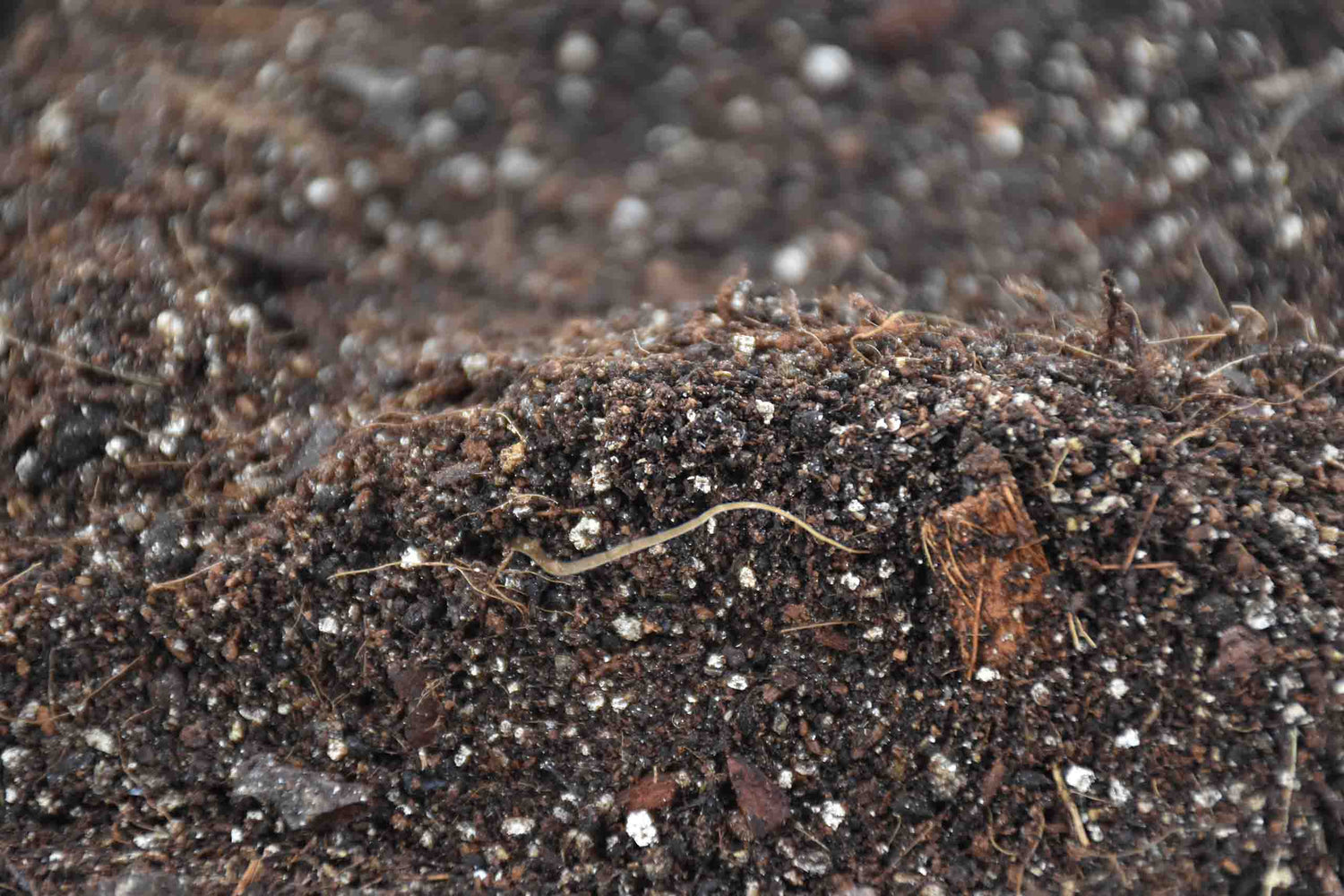
Orchids are special in how they grow: many are epiphytes (living on trees), so their roots expect airflow, quick draining, and moisture without sogginess. A good orchid mix mimics their natural habitat. Orchid soil is peat-free and formulated to give orchids the ideal blend of bark, husk, sphagnum, and activated carbon, supporting healthy roots, better flowering, and sustainable care.

Back to blog

Orchid Soil Basics

Collapsible content

What does “soil” mean for orchids that grow on trees in nature?

In nature, many orchids don’t grow in soil at all, they attach to tree branches, rocks, or bark. Their roots get moisture from rain, mist, and the humidity in the air, and oxygen directly from the air. So “soil” for cultivated orchids means a potting media that keeps roots moist but airy, not dense dirt.

What texture should orchid potting media have to keep roots healthy?

The ideal texture is chunky, with pieces large enough to allow airflow but with materials that retain moisture. Media that’s too fine or compact traps water, suffocates roots, and causes rot. Good mixes use bark, coarse husk, moss or husk chips, and aerating particles like perlite or pumice.

What moisture level do orchids prefer in their potting mix?

Orchids like media that get wet when you water, then start to dry out somewhat between waterings. They don’t want to stay waterlogged, consistently soggy media leads to root rot. But if you let it dry out completely for too long, roots can dehydrate and the plant stresses.

How is orchid media different from regular potting soil in pots?

Regular potting soil often contains fine compost, peat, or garden soil that retains water, compacts easily, and has poor airflow. Orchid media uses coarser pieces so water drains quickly and air moves through. That lets roots both breathe and take up moisture swiftly when needed.

Which ingredients should I avoid in orchid mixes, and why?

Avoid dense soil, clay, or fine peat that holds water and compacts. Also avoid materials that break down too fast unless you’re ready to repot often. These can trap moisture, block airflow, host pathogens, and damage sensitive orchid roots.

Media Components, What Goes In

Collapsible content

What does bark do for orchids, and which grade is best?

Bark provides structure, airflow, and a place for roots to hold onto. Medium to coarse bark is best for large orchids or varieties that dry out between waterings; finer bark works for smaller orchids or those that need more moisture and have smaller roots. In Sybotanica’s mix, bark helps keep the whole blend open and draining well.

Is coco husk a good substitute for bark?

Yes, coco husk (chips or large pieces) is a great substitute or mix component. It retains moisture more than many types of bark but still drains more freely than soil. In dry homes, it helps maintain moisture without stay-wet problems, just watch for overwatering.

When is sphagnum moss helpful, and when can it cause problems?

Sphagnum moss holds a lot of moisture and is excellent for orchids that need consistent humidity or for rescue plants. But if used too much or packed tightly, it stays wet for too long, suffocates roots, and may breed mildew or rot. Used sparingly or as a top dressing, it’s very effective.

Should I add perlite or pumice to orchid media?

Yes you can. Both materials improve drainage and increase aeration. Perlite is lighter, helps with water retention and aeration. Pumice adds weight and stability, especially useful for large orchids. They also prevent the media from compacting over time.

Does charcoal help orchids, and how much should I use?

Charcoal helps by absorbing impurities, reducing odors, and keeping the mix “sweet” (fresh-smelling) by suppressing bacteria and fungi. It also contributes to drainage and airflow because of its porous nature. We recommend about 1-5% by volume charcoal in mixes; too much, and moisture retention drops too far. 

Water, Drainage & Humidity

Collapsible content

How can I test whether my orchid mix drains well enough without drying to a crisp?

Water should flow through quickly after watering, and excess should drain out fully. Between waterings, it should retain some moisture in larger particles but feel nearly dry in the top layers. If it stays soggy for many days, drainage is poor; if it dries immediately, it may be too coarse or you need more frequent watering.

How do I adjust the media if my home is very dry in winter or very humid in summer?

In dry winter air, consider increasing moisture-retentive components like sphagnum moss or husk, and water more often. In humid summer or rooms, lean toward bark, pumice, and charcoal for better airflow to prevent rot. Also improve air circulation (fans, open windows) to help media dry just enough.

Is bottom watering appropriate for orchids, or should I always flush from the top?

Flushing from the top is usually better because it washes salts and excess fertilizer out of the media. Bottom watering (soaking from below) may help in certain setups like baskets or mounted orchids, but leaves risk of buildup and uneven wetting. A good practice is to flush thoroughly occasionally.

Can I soak orchid media before use?

Yes, soaking bark or husk for a few hours helps it absorb water and settle before planting. This prevents the dry media from immediately pulling moisture away from roots when first watered. Just make sure to drain it well after soaking so roots aren’t sitting wet.

Containers, Mounts & Setup

Collapsible content

Which pot type works best for orchids, clear plastic, terracotta, or slotted baskets?

Clear plastic allows you to see root health, which is useful for many orchids. Terracotta pots have more porosity but dry faster, which can be good in humid spaces. Slotted baskets or pots with side slits help air flow around the roots, especially for mounted or semi-exposed types.

Do drainage holes and side slits matter for orchid roots?

Absolutely! Orchids hate stagnant water; drainage holes prevent water from settling at the bottom, which causes rot. Side slits or holes increase airflow and let roots breathe better, especially for types that normally get exposed in nature.

When should I mount an orchid on cork or bark instead of using a pot?

Mounting works well for species that naturally grow on trees or rocks, like Vandas or some small epiphytic orchids. If you have high humidity and good airflow, mounting mimics natural conditions well. However, mounted orchids dry out much faster, so you’ll need to water more often or mist regularly.

What pot size jump is safe for orchids with sensitive roots?

Only increase one pot size at a time, just large enough to accommodate roots without crowding or bending. A pot too large holds excess media, which retains too much moisture and may lead to root rot. Fit the new pot around the root mass snugly but without smashing the roots.

For more guidance, see our blog on how to choose the perfect pot for your plant.

Fertility, Microbes & Water Quality

Collapsible content

Do orchids need nutrients in the potting mix, or just in the watering routine?

Mostly through fertilizing, not via the media. Orchid media tends to be low in nutrient retention (especially bark/husk mixes), so regular dilute feeding during growth periods is important. If media already contains fertiliser, less frequent fertilizing might suffice, but quality of mix matters more than amount of fertilizer.

Is rainwater or purified water better than hard tap water for orchids?

Yes, soft or purified water reduces risk of salt or mineral buildup around roots. Orchids are sensitive to minerals; hard water can leave residue which can interfere with root function. When using tap water, flushing media periodically helps remove accumulated salts.

Do beneficial microbes or mycorrhiza help orchids in containers?

Potentially yes. Some orchids in nature form beneficial associations with fungi (mycorrhizae) which help with nutrient uptake, especially in nutrient poor media. In container culture, certain microbial inoculants may help overall root health and disease resistance, though results vary. Good media structure and cleanliness remain their importance.

Can I use slow-release prills or pellets in orchid pots without burning the roots?

Yes, carefully. Use prills that are tailored for orchids and at low strength. Because orchid media drains fast and holds little cation exchange, high concentration slow release pellets can cause buildup; so always make sure the fertiliser is suitable for orchids and dose correctly.

Repotting Timing & Technique

Collapsible content

How do I know it is time to repot an orchid?

When the bark or media breaks down (turns into small dust), it stops draining well and roots stay too wet. You may also see roots growing out of the pot or the plant becoming unstable. Repotting gives fresh media, which renews airflow and root health.

For a step-by-step walkthrough, see our ultimate beginner guide to repotting.

What is the best season or growth stage to repot Phalaenopsis and Cattleya?

Right after flowering or when new root growth starts is ideal, particularly in spring or early summer. That way plants are entering active growth and recover faster. Avoid repotting when in full bloom or in dormancy unless absolutely necessary.

How do I remove decomposed media without damaging the orchid roots?

Gently work media loose with fingers or a soft tool; avoid pulling or cutting off living root tissue. Wash and soak the roots lightly if needed. Trim only roots that are brown, mushy, or clearly dead.

Should I trim dead roots when repotting, and how can I do that safely?

Yes, trimming dead roots helps prevent rotting spreading. Use clean, sterilized tools and make clean cuts. After trimming, consider a mild fungicide or cinnamon powder on cut surfaces to help heal.

How tightly should I pack bark around orchid roots to secure the plant?

Secure enough that the plant doesn’t move, but don’t pack so tightly that the media is compressed. Compression reduces airflow and reduces drainage, defeating the purpose of an orchid mix. Let the mix support the plant but maintain air gaps.

Why are healthy roots silvery white on top and green after watering?

Silvery white or gray roots are often dry; after watering they turn green as they absorb moisture. This indicates good structure: media draining enough to let roots dry between waterings and take up water when supplied. If roots stay white even after watering, either media repels water or watering is inadequate.

Why does my orchid wobble after repotting, and how can I anchor it without compacting the mix?

Wobbling means roots haven’t filled space or media isn’t packed around them. Use stakes, clips, or moss around the base to stabilize. But avoid pressing media tightly; you want structure without suffocating roots.

What does a sour or mushroomy smell from the pot mean, and what should I change?

That smell often means anaerobic (oxygen-deprived) breakdown, media too wet, decomposed, or compacted. Replace media, improve drainage, reduce watering frequency, ensure airflow, maybe include charcoal.

Why do leaves wrinkle even though I water often, and is the media to blame?

Wrinkles often signal inconsistent water availability: roots can’t absorb enough moisture, perhaps because the media is drying too fast or because too much of the water drains away. Check media retention, humidity, watering schedule, and ensure roots are healthy and not damaged.

Why are new root tips stalling or blackening in my current mix?

Possible causes: media nutrients are poor or unbalanced, moisture conditions too dry or too wet, rot setting in from media staying wet or pathogens in media. Re-examine the mix, roots, and environment; repot if the media is old or rotted.

Species & Group-Specific Tweaks

Collapsible content

What potting media works best for Phalaenopsis in an average home?

A medium-grade bark mix, with some sphagnum moss or coco husk to retain moisture, plus aeration from perlite or charcoal. Phalaenopsis like stable humidity and moderate drying between waterings. Many growers use about 60-70% fir bark, 10-20% moss or husk, 10-20% perlite or pumice plus charcoal or similar additives.

Do Cattleyas prefer chunkier, faster-drying media than Phalaenopsis?

Yes. Cattleyas naturally grow with lots of air movement and drying, so a chunkier bark or coarse mix helps prevent water sitting around the roots. In hot or humid climates, faster drying media reduces rot risk.

How should I pot Oncidium types that like more frequent moisture?

Use a mix with finer bark, more moss or husk, and slightly more moisture retaining material. Yet ensure very good drainage and airflow. Adjust watering frequency accordingly, but don’t sacrifice structure.

What mix suits Dendrobium nobile vs Dendrobium phalaenopsis types?

Dendrobium nobile ones often like a drier rest period, so a chunkier, fast-draining media is better. For phalaenopsis type Dendrobiums (those more tropical), a richer mix with more moisture holding (but still airy) is better. Matching species to media based on native habitat is key.

Which media works for Paphiopedilum and Phragmipedium, and why do they differ?

Paphiopedilum and Phragmipedium often like cooler, more stable moisture, so finer bark mixes, maybe with leaf litter, fine husk or some moisture retention. Their roots are less tolerant of drying completely. Their natural substrate is richer and more humus-filled than many strictly epiphytic species.

How do I adapt media for Cymbidium that often grows cooler and wetter?

Use larger bark chunks, maybe a little more organic matter, and ensure the mix holds moisture longer but still drains well. Because Cymbidiums prefer cooler temperatures, avoid media that stays hot and soggy, which can stress them.

What should I change for Miltoniopsis that dislikes drying out?

Increase moisture retention: include more sphagnum moss or fine husk and maybe less coarse bark; keep humidity high and reduce drying between waterings. But still maintain air gaps, Miltoniopsis are sensitive to rot if the media is waterlogged.

Can Vanda be grown in baskets or mounts with little to no media, and how do I water that setup?

Yes. Vandas are often grown bare-root or in hanging baskets with charcoal or coarse chunks. They need frequent misting or watering and high humidity because their roots are exposed. The media is often minimal so water and nutrients need to be given more often.

How do I tweak media for miniatures and mounted species that dry very fast?

Use finer components (small bark, fine husk, maybe more moss) to hold moisture around roots, but ensure they’re mounted or in airy containers so airflow still happens. Mist frequently, water often, and keep humidity up, especially around mounted roots.

Propagation, Seedlings, and Rescue Cases

Collapsible content

What mix should I use for keikis when potting them up for the first time?

Use a finer bark or husk mix with more moisture retention (e.g. more moss) than for mature plants. Young keikis have smaller root systems and benefit from media that holds moisture while still draining. Use a gentle mixture so roots can adjust without being overwhelmed.

How do I transition an orchid from sphagnum rescue to a bark-based mix without shock?

Do it gradually: first mix bark into the sphagnum, then, over repot-ups, increase the bark proportion. Keep watering more frequently until roots adapt, reduce gradually. Observe root colour and firmness for signs of stress or dryness.

What media helps rootless or dehydrated orchids rehydrate and grow new roots?

A very moisture-retentive rescue mix works best: fine moss or husk, maybe a bit more humidity, warm environment, gentle watering so the media stays moist but not waterlogged. Once roots start forming, gradually switch to a more aerated mix for normal growth.

Is semi-hydro like SYBAStones with inert media a good rehab step for struggling orchids?

It can be, especially if traditional mixes have broken down or are diseased. In semi-hydro setups you can better control moisture, reduce rot risk and keep roots from drowning. But you must monitor carefully for salts buildup and make sure roots get oxygen.

Which media conditions encourage fungus gnats or springtails, and how do I fix that?

Damp, compacted media that stays wet at the surface attracts gnats, since larvae feed in moist organic matter. Fix by improving drainage, replacing media that’s broken down, drying top layer out, and maybe adding coarse pieces or charcoal. Sticky traps and mild surface treatment can help too.

How can I reduce the risk of bacterial or fungal rot after repotting?

Use clean, sterilized tools; ensure the media is fresh and draining; let cut root tips dry briefly or treat with a fungicide or natural agent. Avoid over-watering right after repotting; allow roots to settle, then flush carefully. Good airflow around roots also helps.

Should I rinse or pre-treat new bark, coco chips, or moss before potting?

Yes. Rinsing bark removes dust and debris, which improves airflow and prevents clogging. For materials like moss or coco chips, soaking helps avoid them pulling moisture away from roots initially. If sourcing from an unsterilized source, heat treatment or boiling can reduce pests or pathogens.

Can sterilizing orchid media hurt beneficial biology, and when is it worth it?

Sterilizing kills both bad and good microbes. It may be necessary if you suspect disease or rot. Use gentle methods of steam, mild heat or hydrogen peroxide. After sterilizing, use fresh media or re-introduce harmless beneficial organisms.

Sustainability & Storage

Collapsible content

What are peat-free choices for orchid media, and how do they perform over time?

Peat-free mixes use bark, coco husk, charcoals, husk chips, and other renewable materials. They tend to retain structure longer, dry more reliably, and avoid unsustainable peat extraction. They do break down eventually, so periodic media refresh is needed, but often slower than cheap peat-rich alternatives.

How should I store unused orchid media so it stays fresh between repots?

Keep it dry, in a breathable container (mesh or fabric bag), away from pests and fungal spores. Avoid damp basements. If the media gets moist, dry it out fully before using it to prevent rot and pathogens.

How often should I refresh or replace orchid media to keep porosity and airflow?

Every 1-2 years for most epiphytic orchids; sooner if bark is breaking down, soft, often waterlogged, or smells sour. For moisture-loving species, more frequent refresh may be helpful.

Myths, Mistakes & Pro Tips

Collapsible content

Do orchids really want to be pot-bound forever, or is that a myth?

It’s mostly a myth. Some orchids tolerate tight pots temporarily, but when roots are constricted with no airflow or when media degrades, root health suffers. Giving fresh media and a slightly bigger pot improves root growth and flowering.

Is a drainage layer at the bottom useful in orchid pots, or does it trap water?

A drainage layer (stones or clay balls) under media can actually trap moisture above it (“perched water”) rather than improving drainage. Better to use properly draining media and pots with holes or slits.

Does adding more moss always help with humidity, or can it suffocate roots?

Moss holds moisture and raises humidity around roots, which helps in dry conditions. But too much moss or packed moss limits airflow and keeps roots wet for too long, promoting rot. Use moss carefully and monitor dryness.

What are the top three potting errors that lead to root rot in orchids?

Using old or decomposed media that doesn’t drain, overwatering (watering too frequently or not flushing salts), and using pots or containers without adequate drainage or airflow. Fixing any one of those often prevents rot.

What quick media tweaks give me the biggest improvement in root growth at home?

Replace old bark with fresh chunky bark, ensure 1-5% charcoal for freshness, and check that perlite or pumice is included to keep the medium airy. Also flush media occasionally to clear out salt buildup.

Product Fit: Using Sybotanica Orchid Mix

Collapsible content

What makes Sybotanica Orchid Mix a good starting point for epiphytic orchids?

It’s designed to have chunkiness, aerating materials (bark/husk), consistent moisture (sphagnum), and activated carbon to keep media fresh, all in a peat-free base. This mirrors epiphytic roots’ needs, giving good moisture retention without suffocation.

How should I hydrate and prepare Sybotanica Orchid Mix before potting?

Soak any dry bark or husk components in water so they’re evenly moist before potting, this prevents them from pulling water from the roots. Let mix drain after soaking until it’s moist but not dripping.

How can I fine-tune Sybotanica Orchid Mix for a drier home vs a humid grow space?

In a dry home, add a bit more moisture-holding matter like fine coco husk or sphagnum moss in the mix. In a humid spot, increase the proportion of bark/pumice or use slightly coarser pieces to help dry between waterings.

Which orchid groups can I pot straight into Sybotanica Orchid Mix without amendments?

Most epiphytes like Phalaenopsis, Cattleya, many Oncidium and Dendrobium types will do well straight into it. For moisture-loving or rescue cases you might adjust minor components.

How much mix do I need for common orchid pot sizes, and how far should I fill the pot?

Fill up to where the plant’s collar (the base of the leaves) aligns with the pot rim, leaving room for drainage and air. Don’t overfill, air gaps at the top help with drying and airflow. You can quickly calculate the right amount for your pot using our pot volume calculator.